
Take some inspiration from wildlife this Movember!
By Nicole Horn, Biodiversity Capabilities
It’s Movember, and to raise awareness about men’s health, here are some examples of possible looks inspired by marine species with ‘moustaches’. To show your support, grow your moustache and don’t shave it for the rest of the month! Here are some animals that are following suit.
All mammals besides humans and certain primates have whiskers at some stage of their life. However, some animals rely on their whiskers a lot more than others. These include rodent species, insectivores like shrews and pinnipeds (seals, sea lions and walruses). The whiskers of seals and sealions are very sensitive to water flow and touch and help them differentiate between different shapes and sizes. This helps them to detect vibrations caused by water trails left by prey which is very useful while hunting in the dark or in murky waters.
Whiskers also help marine mammals like manatees work out how to move their mouths and lips while locating, figuring out texture and consuming food. Some mammals will shed their whiskers every year whereas others will shed and replace them over a long period.
Cape Fur Seal (Arctocephalus pusillus)
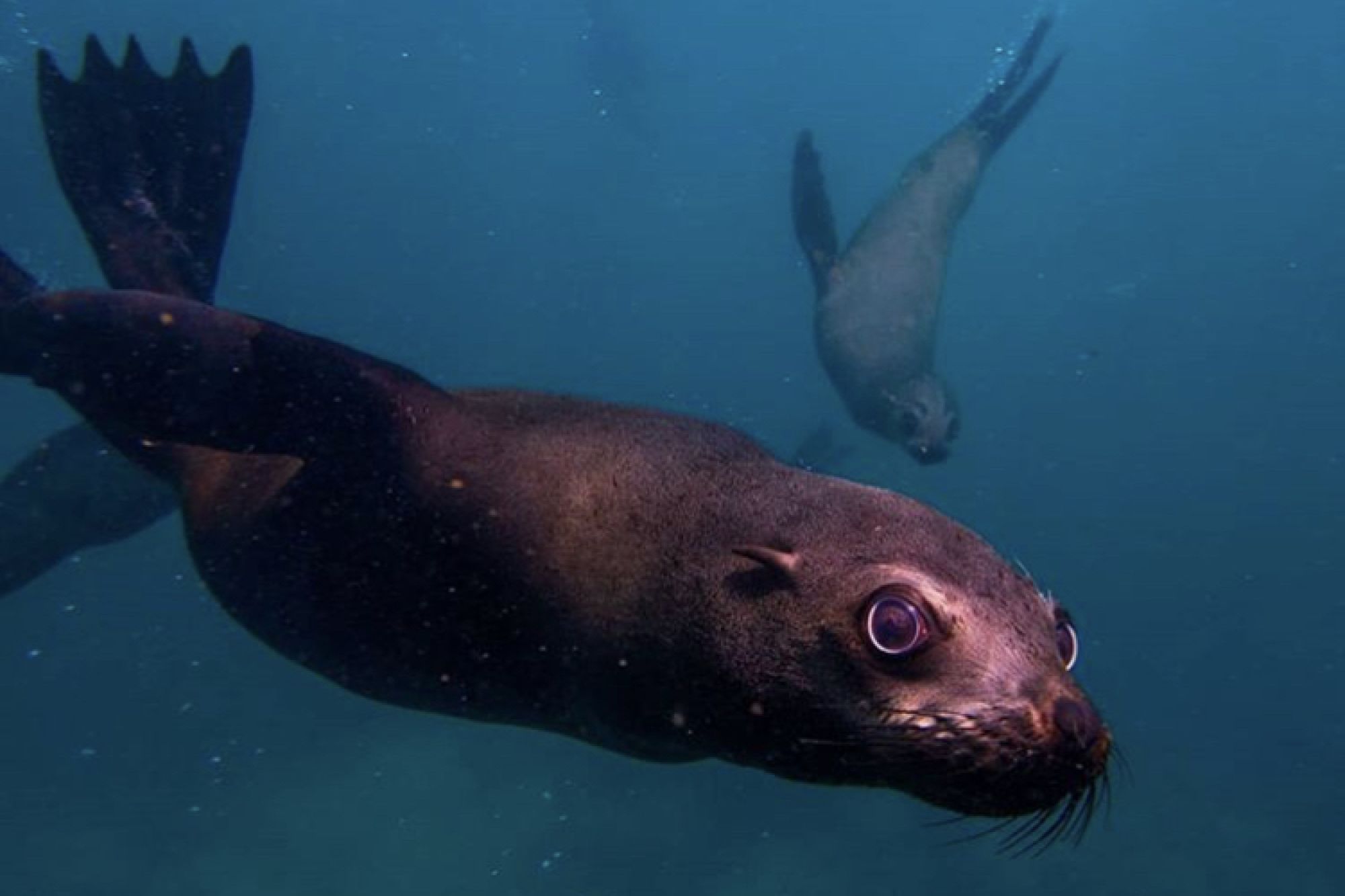
The Cape Fur Seal is abundant in the Western Cape and can be found playfully gliding amongst surfers at various spots along the coast; joining a feeding frenzy with other marine life, taking their chances by fishing for grub at the Hout Bay or Waterfront harbour or baking in the sun on one of our beautiful beaches or islands. Males who have reached sexual maturity within colonies will round up a group of females called a ‘harem’. Due to stocks of their preferred food items dropping in number seals have started to prey on other marine species like lobster, squid, small sharks, seagulls and penguins. Their well-developed eyes help them see in murky conditions while hunting. Additionally, they make use of their ‘whiskers’ known as vibrissa to sense and catch their prey and each whisker is mobile and controllable.
Elephant Seal (Mirounga leonine)
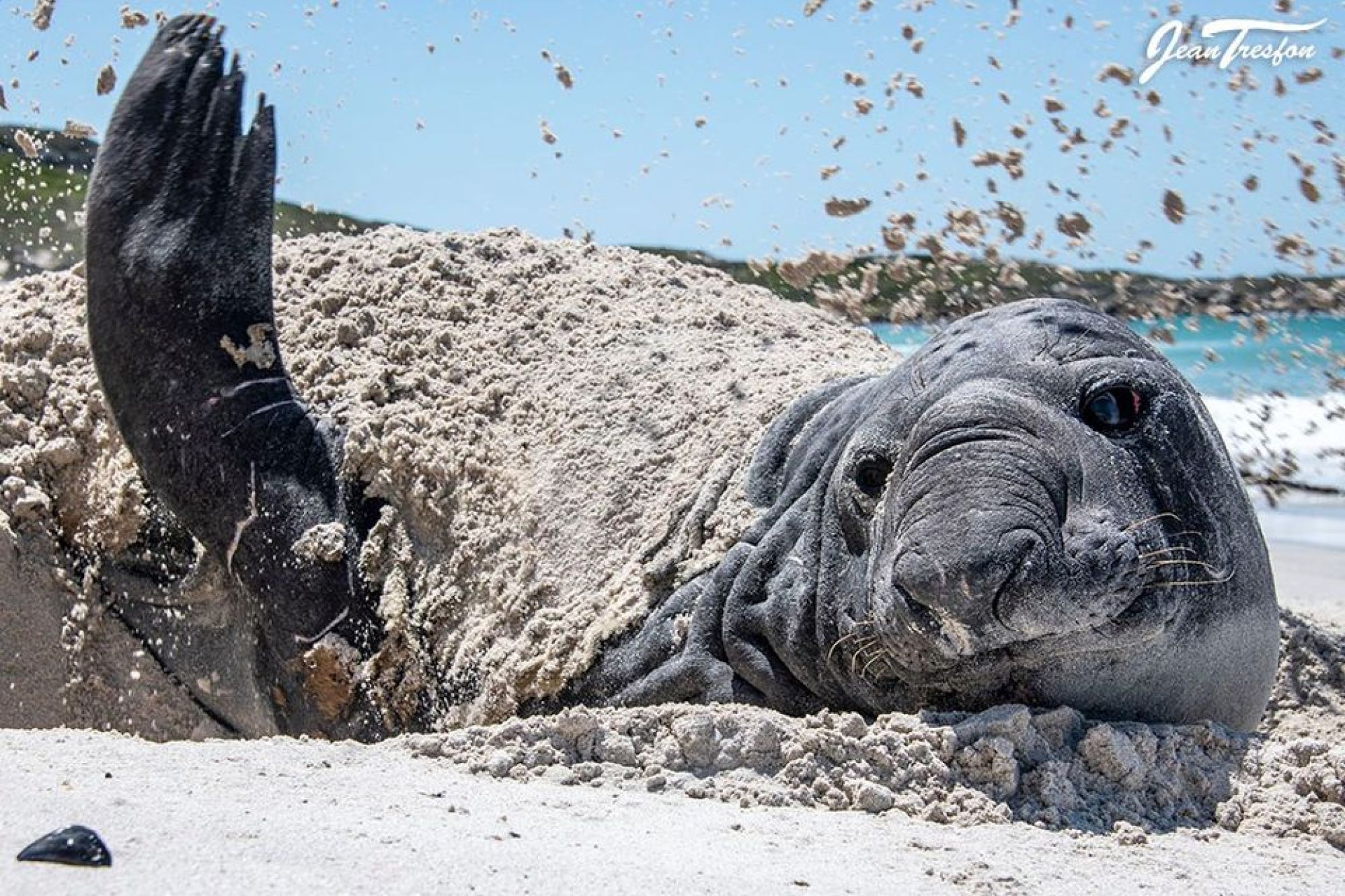
Elephant seals are large lumpy looking animals with long wobbly noses. A Southern Elephant Seal called Buffel was found resting on one of the beaches in the Western Cape in 2019 and the same individual visited Duiker island in 2018. Although this species is not common to the Western Cape, every now and then one of them decides to pop in to rest or moult on one of our islands or beaches. They are one of the seal species that can stay dry for weeks on end and can dive the deepest amongst all air-breathing non-cetaceans making them unique. They have a bunch of tiny short whiskers on either side of their big nose which looks like an ungroomed moustache.
Cape Clawless Otter (Aonyx capensis)
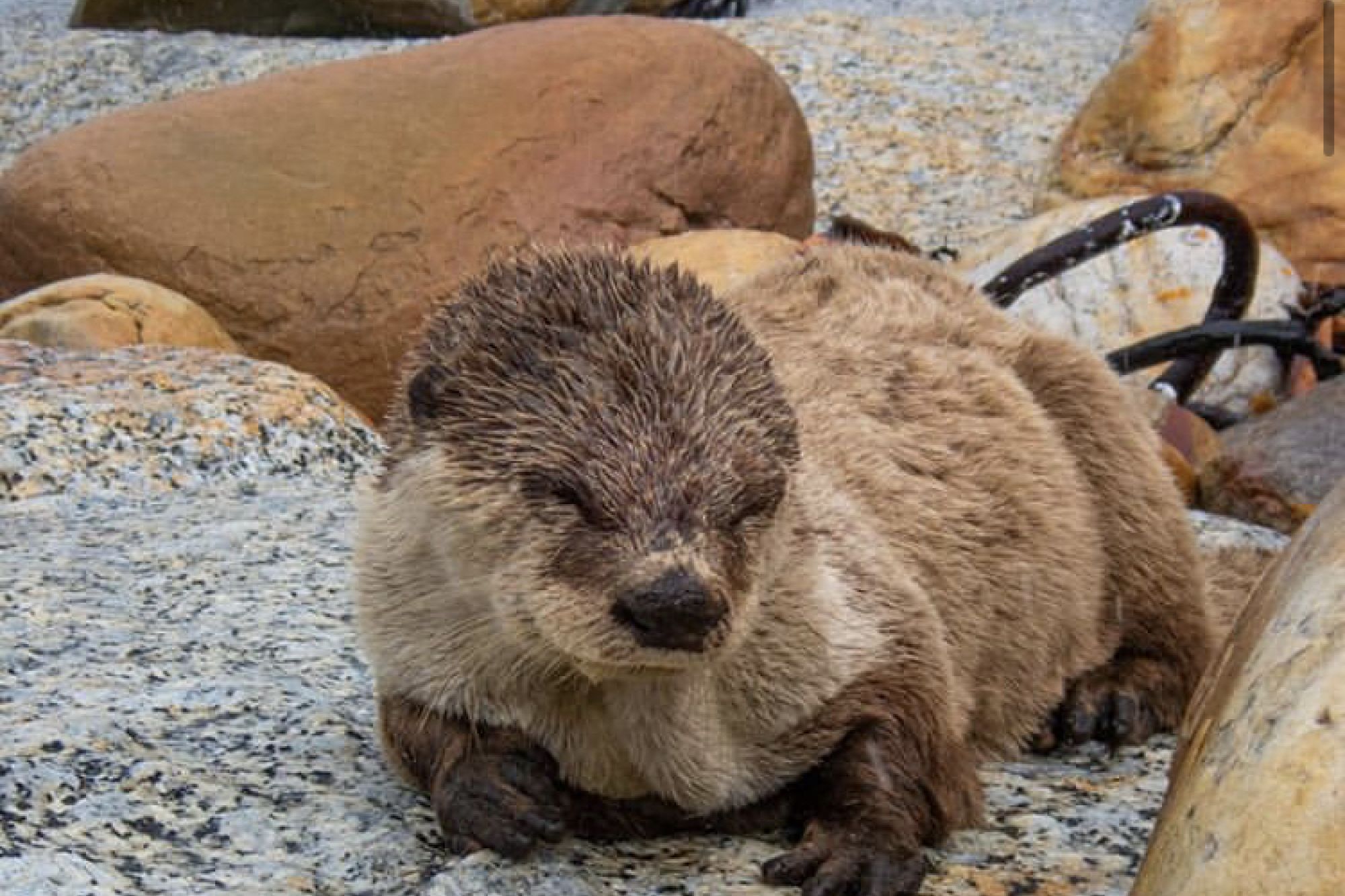
The Cape clawless otter also known as the African clawless otter or Groot otter is the most widely distributed otter species in Africa. This predominately aquatic species is globally listed as ‘Near threatened’ on the IUCN red list of threatened species. Some of the threats they face include coastal and riverbank development, pollution and climate change.
Reduced abundance of otters in some areas has been documented in parts of South Africa due to riparian habitat transformation, pollution and disturbance. This decrease in numbers is mainly due to them moving to more suitable habitat. Wetlands, rivers and coastal habitats need to be protected for the Cape clawless otter to have enough undisturbed environment to breed and forage in order to persist and move between habitats.
Otters are an opportunistic predator and finds its food in freshwater, salt water and terrestrial habitats. They have a variety of prey items including fish, crabs, insects and frogs which facilitates their wide distribution. Their rubbery paws and apposable thumbs help them handle their food while eating it. Some otters have been spotted feasting on small demersal sharks and only pick out the calorie rich parts of the body and eat that. This is to get the most energy with the least effort. They have a loud whistling call and live in small family groups but usually forage alone. Their long whiskers look like a bushy moustache which assists them with finding prey in murky waters.
Hippopotamus (Hippopotamus amphibious)
Although not a marine species, the Hippopotamus is native to Africa and is listed as globally Vulnerable on the IUCN red list of threatened species due to poaching and habitat loss which reduced their numbers in the past. Today, they are well protected by law enforcement. They can be found sleeping in the water during the day or rolling around in the muddy water to cool down but go out in the evenings to feed. They scavenge for food which can last up to about six hours. They can block out water from their nose and ears as they dive down while swimming.
They are the third largest living land mammals after elephants and rhinos and although they look big and cuddly, are extremely dangerous to humans. Hippos are amongst the deadliest of animals and kill an estimated 500 people a year in Africa. In comparison with the ‘moustaches’ found on other species, the hippo has more of an ‘5 o clock shadow’ look with a lot of small bristles covering the area between its nose and mouth.
African catfish (Clarias gariepinus)

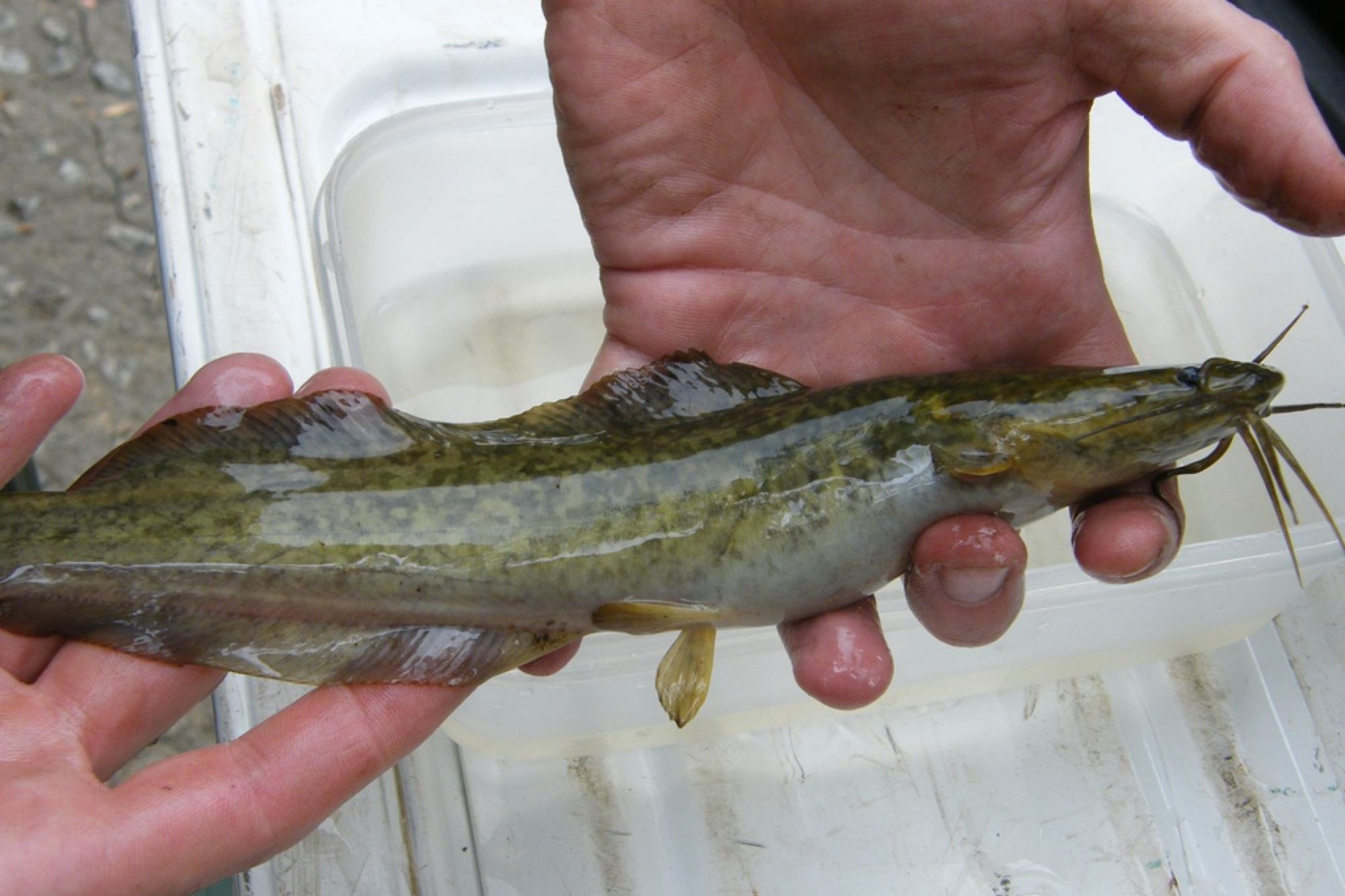
The African catfish is an invasive species that is indigenous to the northern parts of Africa but has been translocated into river systems outside of its native range and invaded the Western Cape through these river systems. It is a dominant freshwater fish that can reach up to 2m long and can weigh between 8 and 59kg. It has been listed as one of the top 100 worst invasive species in the global invasive species
database. The appendages on its face are like feelers which are used to sense prey in its surroundings.
Follow suit and grow your moustache this Movember to raise awareness of men’s health issues, such as prostate cancer, testicular cancer, and men’s suicide. Which style are you rocking this month?
Related News

Your Perfect Summer Getaway with CapeNature
Embark on an adventure and immerse yourself in the vast open spaces of our 25 nature reserves spread across the Western Cape. With a variety of self-catering accommodations and campgrounds to choose from, we cater to different preferences and budgets.

CapeNature Empowers Volunteers with Replacement Starter Kits
Following an incident where three volunteers from Search and Rescue South Africa (SARZA) were recently robbed in Table Mountain National Park, CapeNature joined forces with Hi-Tec to donate starter kits to the team.

Responsible Angling ensures a Sustainable Future for both the Environment and the Communities that rely on these Resources
The Western Cape is home to an array of freshwater habitats, from serene mountain streams to picturesque dams. Whether you're a seasoned angler or a novice looking to cast your first line, understanding the regulations, and acquiring the necessary permits is crucial for an enjoyable and sustainable fishing experience. Before embarking on your freshwater fishing adventure, it's essential to comprehend the significance of obtaining a permit.

Seeing Stripes: The Kammanassie Cape mountain zebra aerial survey
Spotting a zebra is something of a wonderous task for admirers of wildlife’s beauty, but monitoring of Cape mountain zebra populations provides vital information that is used to inform management decisions and actions and is one of the objectives of the gazetted Biodiversity Management Plan for this species.

Harnessing the Power of NASA’s Technology to Detect Alien Species
When NASA isn’t spending its time exploring the depths of outer space, its lending its technology for the ambitious BioSCape project, which seeks to detect patterns of biodiversity and ecosystem health in the fynbos biome.

Your Bucket List of Things to Do in the Overberg Region Sorted
Pack your outdoor attire when visiting the Overberg and prepare yourself for an adventurous journey while connecting with nature. With an assortment of activities to choose from, visitors are sure to tick off adventure-galore in nature on their bucket lists before heading into 2024.