
CapeNature Support Schools and Communities With Sustainable Indigenous Gardens
CapeNature recently launched its Greening Initiatives, a new project under its Plant One Million Trees campaign. The project intends to help communities and schools become more environmentally friendly by assisting them with planning, creating, and maintaining indigenous gardens, with the emphasis on sustainable gardening practices.
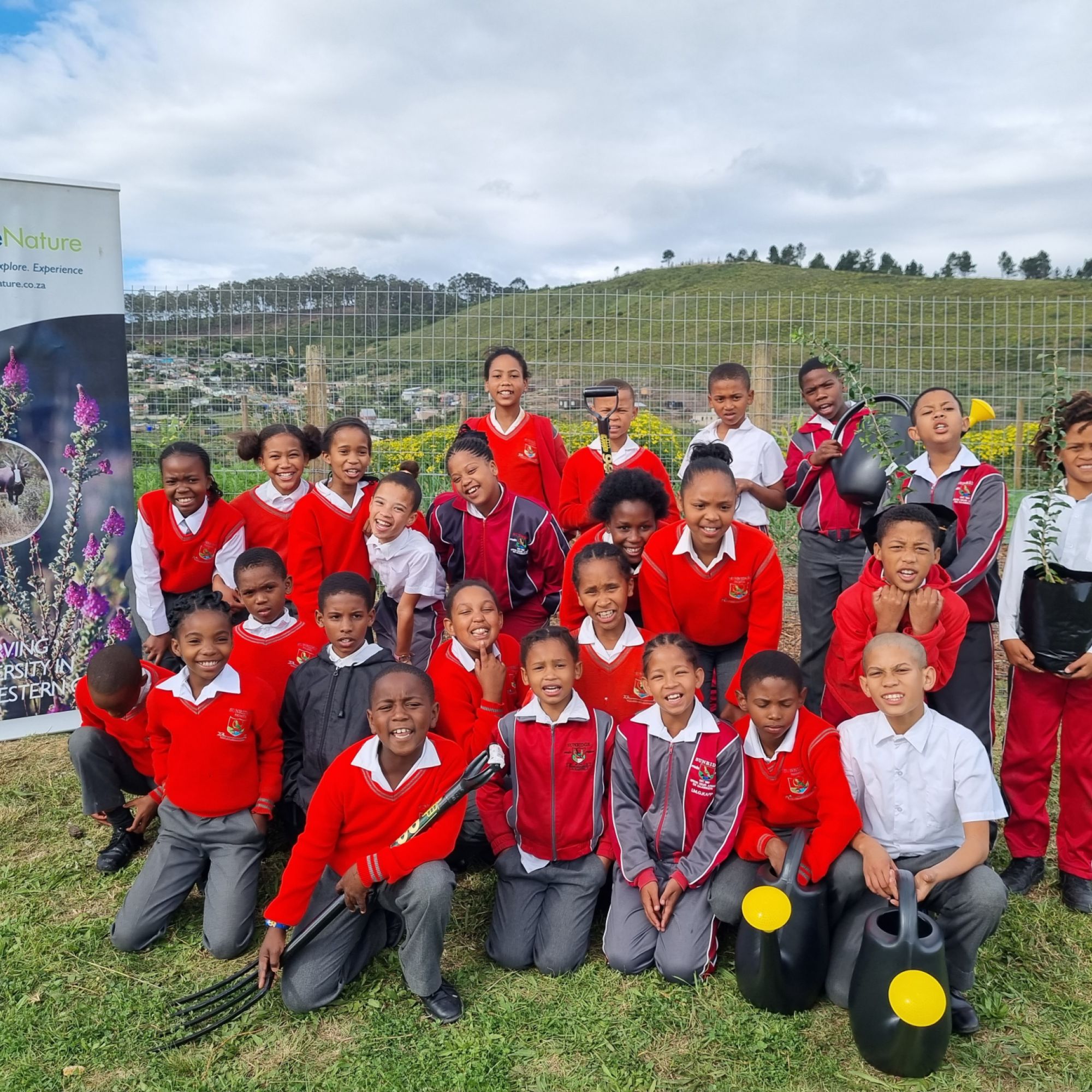
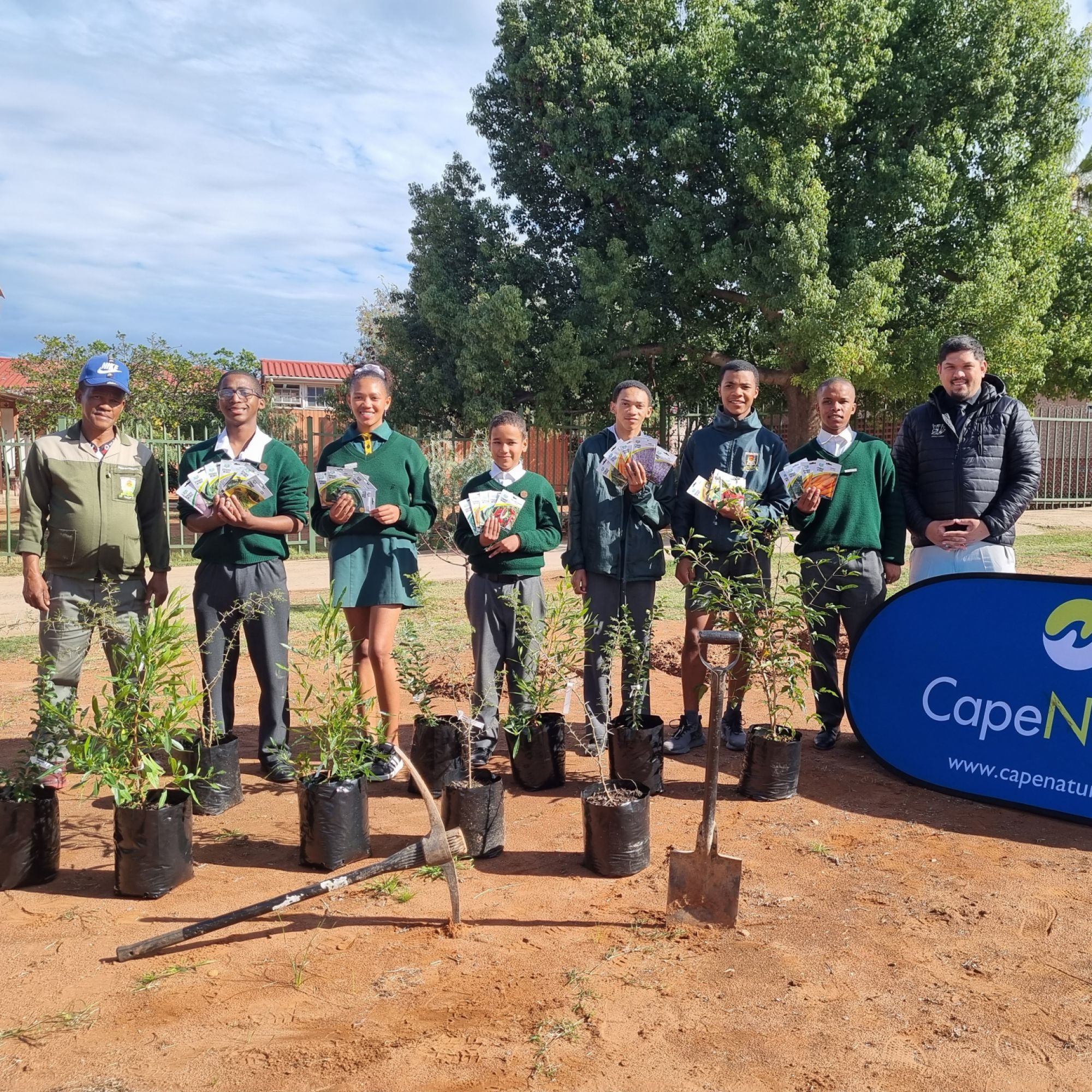
This year, the initiative supported schools and communities with existing gardens by providing much needed items such as seedlings, trees, water pipes and spades. CapeNature plans to support these schools and communities in the long term until they have fully functional and sustainable gardens. Green spaces serve multiple purposes. They provide shading and recreational spaces at schools or food gardens within communities, the latter of which could be a means to generate income. The green spaces serve as an educational experience for learners teaching them about nutrition, life skills and biodiversity. Planting more indigenous trees helps the environment by attracting and providing habitat for birds, insects and other organisms.
A few of the schools that benefitted from this project in 2023 included Apex Primary School, Pella Moravian Primary School, Sunridge Primary School, Middelpos Primary School and Protea High School. Apart from trees, CapeNature also gifted these schools with some items from their garden wish list and an educational programme was presented during the handover. Some feedback from Apex Primary School included a feature on their Facebook page reading: “Our learners having a ‘treefic’ time planting trees. Thank you to CapeNature for gifting us these beautiful trees.”
According to CapeNature’s CEO, Dr Razeena Omar, “Greening initiatives such as these align with our entity’s commitment to environmental sustainability and social responsibility. We want to address urgent global challenges like food security, climate change, and biodiversity loss through these kinds of programmes. We can jointly create a better, more resilient future by encouraging our local communities to adopt sustainable lifestyles and re-engage with nature.”
The Western Cape has incredibly unique flora and a different wet season compared to the rest of South Africa. CapeNature urges residents of the Western Cape to grow indigenous plants or non-invasive fruit tree species during the winter's wetter months, and not the summer. Water is normally in plentiful supply during the rainy season, which is crucial for plant growth. Because they have a reliable source of water, newly planted seeds and seedlings have a higher chance of germination and establishment.
CapeNature provides workshops for teachers on how to deliver curriculum-aligned environmental lessons and activities. Email [email protected] for more information.
Related News

Your Perfect Summer Getaway with CapeNature
Embark on an adventure and immerse yourself in the vast open spaces of our 25 nature reserves spread across the Western Cape. With a variety of self-catering accommodations and campgrounds to choose from, we cater to different preferences and budgets.

CapeNature Empowers Volunteers with Replacement Starter Kits
Following an incident where three volunteers from Search and Rescue South Africa (SARZA) were recently robbed in Table Mountain National Park, CapeNature joined forces with Hi-Tec to donate starter kits to the team.

Responsible Angling ensures a Sustainable Future for both the Environment and the Communities that rely on these Resources
The Western Cape is home to an array of freshwater habitats, from serene mountain streams to picturesque dams. Whether you're a seasoned angler or a novice looking to cast your first line, understanding the regulations, and acquiring the necessary permits is crucial for an enjoyable and sustainable fishing experience. Before embarking on your freshwater fishing adventure, it's essential to comprehend the significance of obtaining a permit.

Seeing Stripes: The Kammanassie Cape mountain zebra aerial survey
Spotting a zebra is something of a wonderous task for admirers of wildlife’s beauty, but monitoring of Cape mountain zebra populations provides vital information that is used to inform management decisions and actions and is one of the objectives of the gazetted Biodiversity Management Plan for this species.

Harnessing the Power of NASA’s Technology to Detect Alien Species
When NASA isn’t spending its time exploring the depths of outer space, its lending its technology for the ambitious BioSCape project, which seeks to detect patterns of biodiversity and ecosystem health in the fynbos biome.

Your Bucket List of Things to Do in the Overberg Region Sorted
Pack your outdoor attire when visiting the Overberg and prepare yourself for an adventurous journey while connecting with nature. With an assortment of activities to choose from, visitors are sure to tick off adventure-galore in nature on their bucket lists before heading into 2024.