
From Laws to Conservation: Protecting Seabirds in South Africa’s Coastal Waters
Seabird protection in South Africa is ensured through the National Environmental Management: Biodiversity Act, 2004 (Act No. 10 of 2004), and the Sea birds and Seals Protection Act (No. 46 of 1973). These laws specifically address the conservation of biodiversity and safeguarding marine habitats and their inhabitants. The marine environment, covering 70% of the Earth’s surface, plays a vital role in supporting diverse species and providing valuable ecosystem services. Seabirds serve as essential bioindicators in marine ecosystems, being sensitive to pressures such as climate change and many are also top predators. Recognized as keystone species, they supply abundant nutrients, enhancing food quality and productivity.
South Africa supports many seabird species, with some being endemic, while others using South Africa has a breeding ground. These species include the African Penguin, Cape Cormorant, Cape Gannet, and Bank Cormorant (Figures 1 - 4), all of which are considered Endangered according to the IUCN Red List and can be found at CapeNature Nature Reserves like Stony Point and Bird Island Nature Reserve at Lambert’s Bay. Threats to seabirds include habitat loss, overfishing, oil spills and diseases with the 2021 High Pathogenicity Avian Influenza A (HPAI) H5N1 outbreak in the Western Cape amplifying concerns.
The HPAI H5N1 outbreak led to the tragic loss of many Cape Cormorants and African Penguins. However, collaborative efforts by organizations such as CapeNature, SANCCOB, and SANPARKS has been crucial in controlling the spread of the disease. These organizations have implemented biosecurity measures, including isolating infected seabirds from healthy individuals, raising public awareness about approaching infected seabirds, and managing infected carcasses, thus mitigating the impact of the outbreak. Overall, the conservation of seabirds and their habitats remains of the utmost importance to maintain the integrity and biodiversity of the marine ecosystem in South Africa.
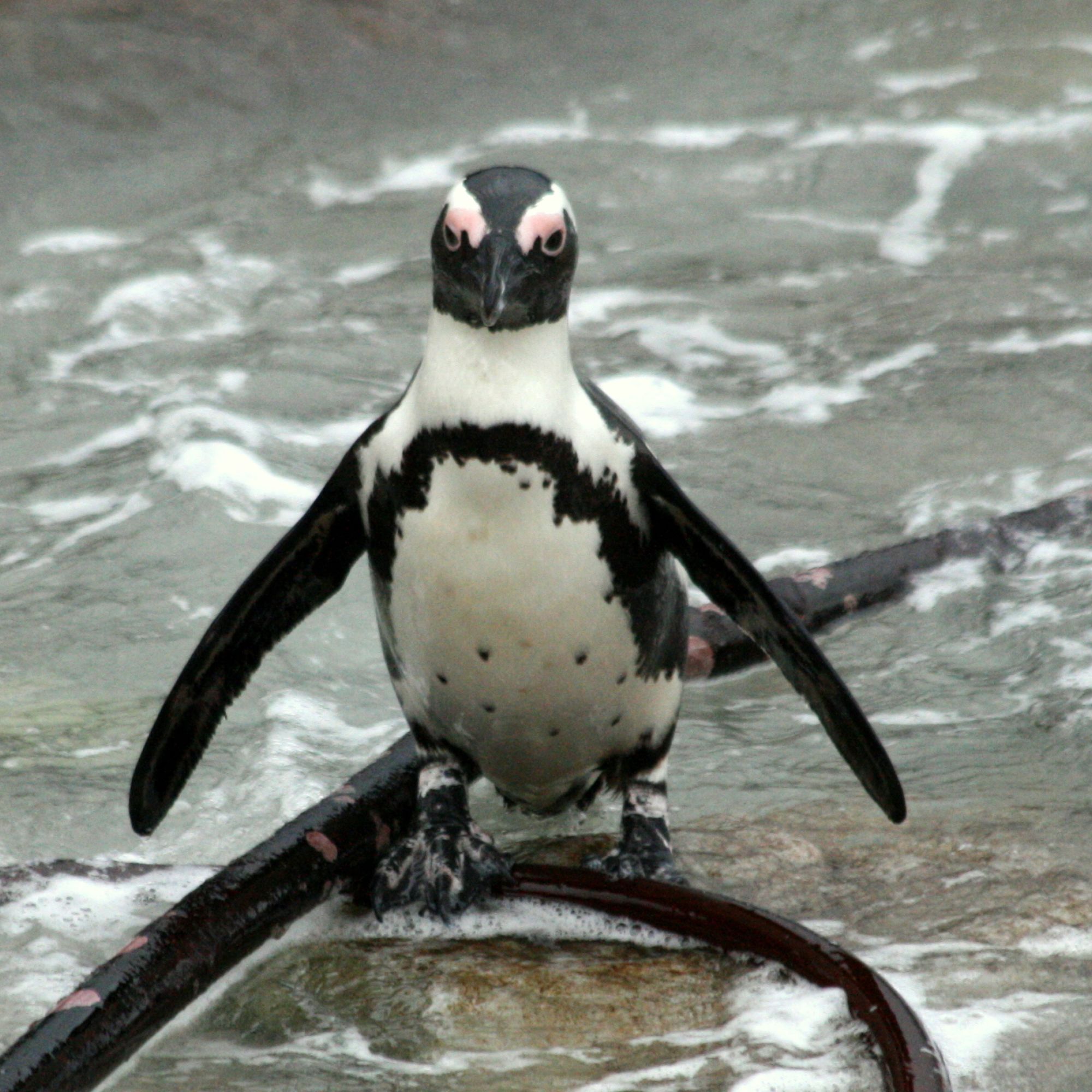
An African Penguin (Spheniscus demersus, Endangered) at the Stony Point colony. Photographer: Marienne de Villiers.
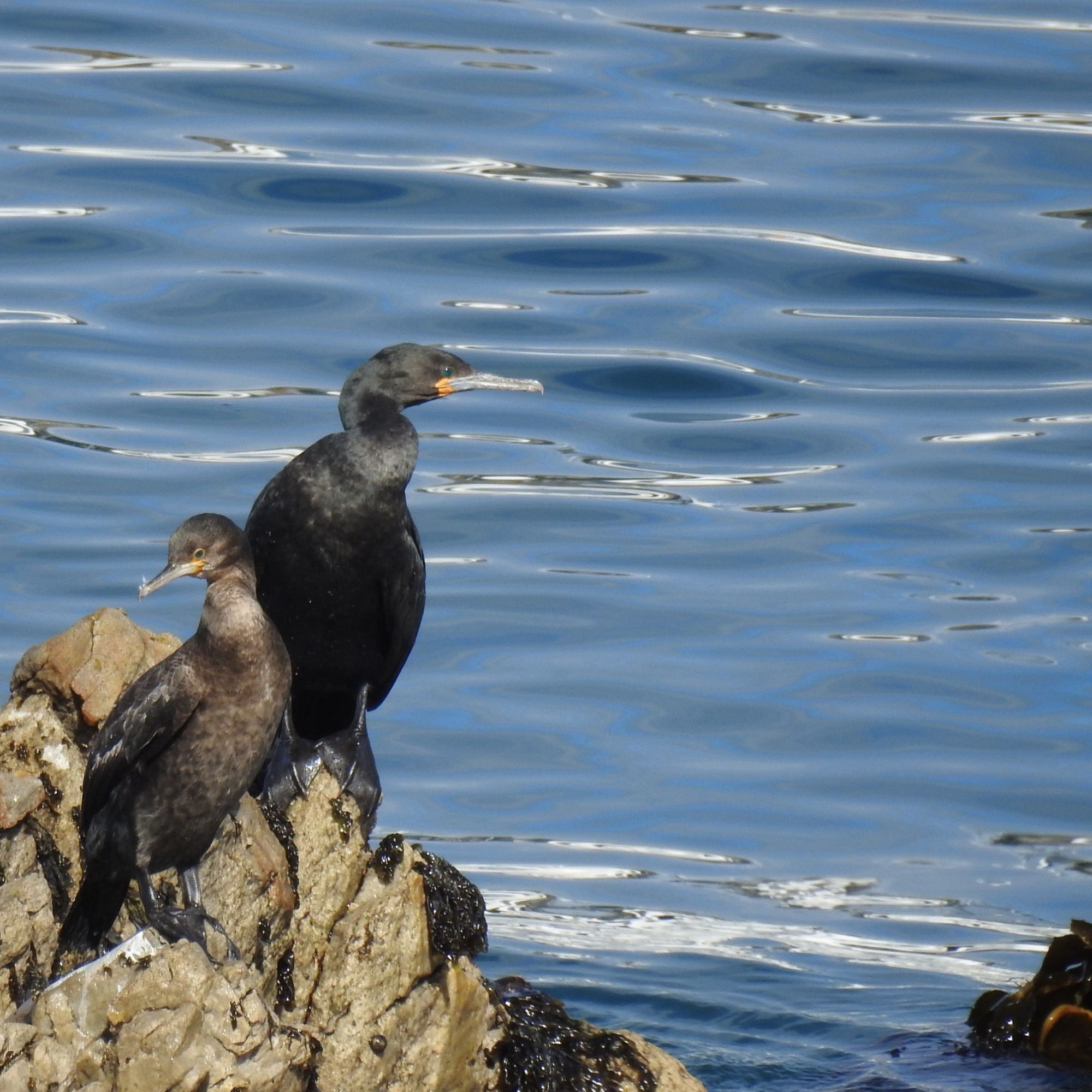
Cape Cormorants (Phalacrocorax capensis, Endangered) are one of the seabird species that breed at Stony Point. Photographer: Keith Spencer.
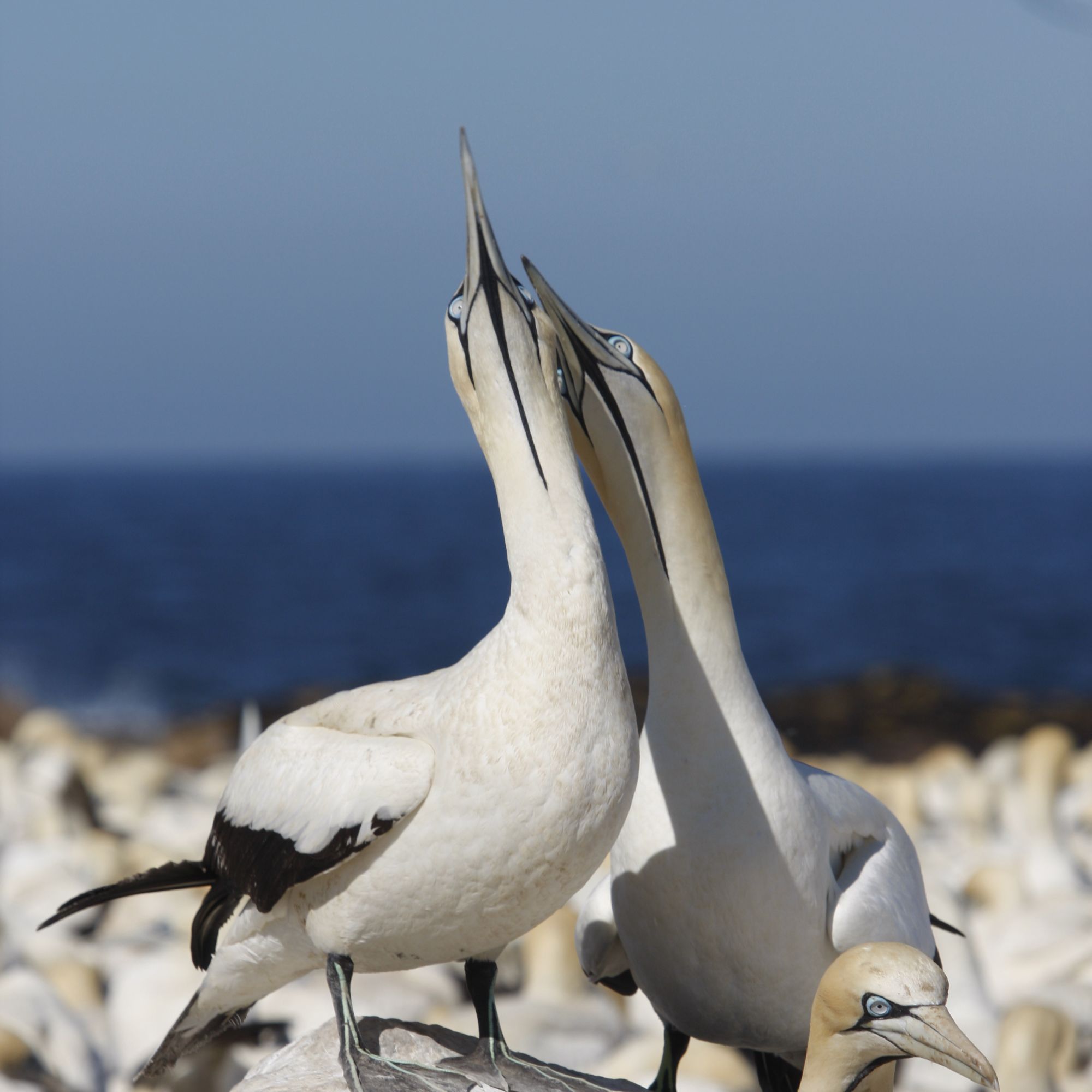
Cape Gannets (Morus capensis, Endangered) greeting each other.
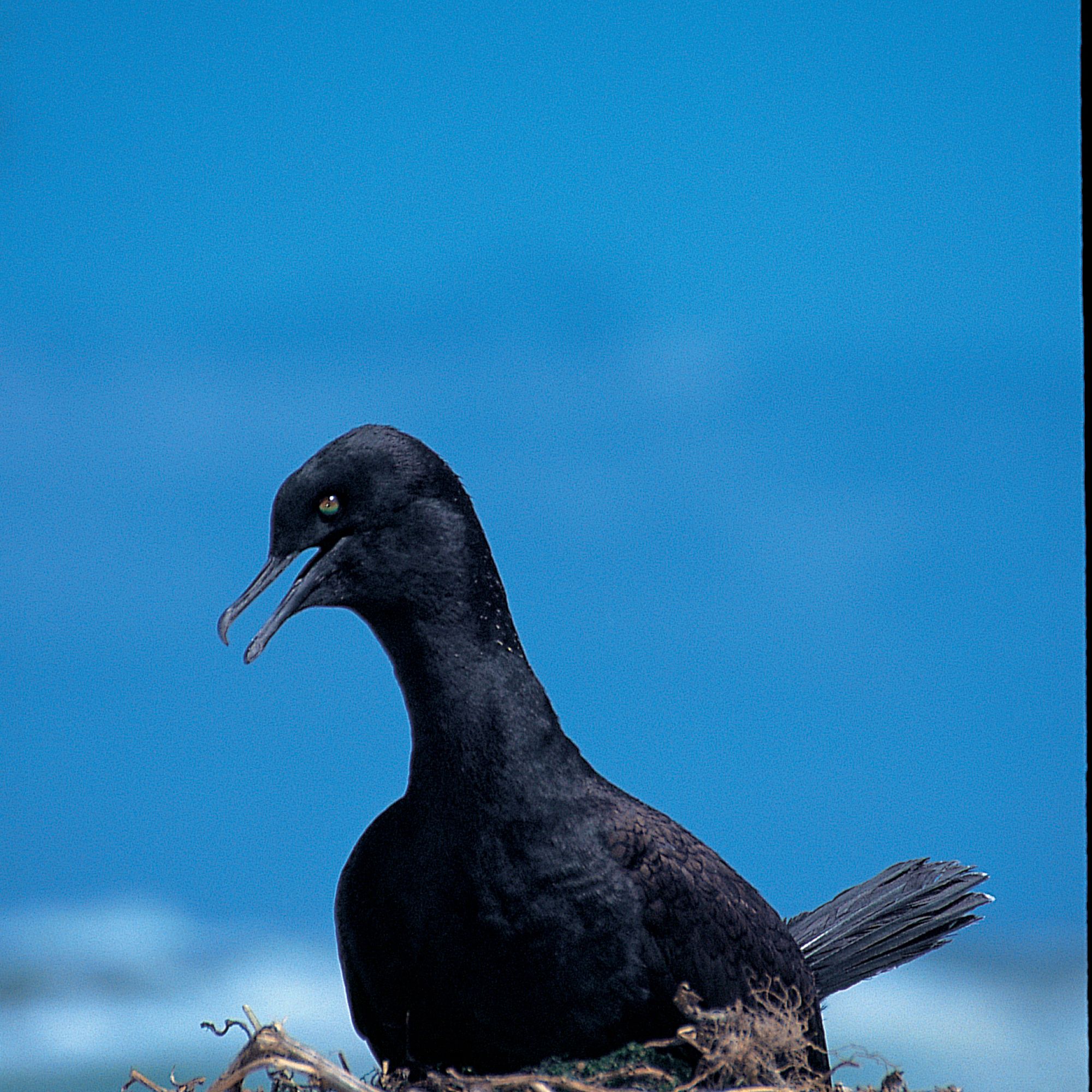
Nesting Bank Cormorant (Phalacrocorax neglectus, Endangered).
Related News

Your Perfect Summer Getaway with CapeNature
Embark on an adventure and immerse yourself in the vast open spaces of our 25 nature reserves spread across the Western Cape. With a variety of self-catering accommodations and campgrounds to choose from, we cater to different preferences and budgets.

CapeNature Empowers Volunteers with Replacement Starter Kits
Following an incident where three volunteers from Search and Rescue South Africa (SARZA) were recently robbed in Table Mountain National Park, CapeNature joined forces with Hi-Tec to donate starter kits to the team.

Responsible Angling ensures a Sustainable Future for both the Environment and the Communities that rely on these Resources
The Western Cape is home to an array of freshwater habitats, from serene mountain streams to picturesque dams. Whether you're a seasoned angler or a novice looking to cast your first line, understanding the regulations, and acquiring the necessary permits is crucial for an enjoyable and sustainable fishing experience. Before embarking on your freshwater fishing adventure, it's essential to comprehend the significance of obtaining a permit.

Seeing Stripes: The Kammanassie Cape mountain zebra aerial survey
Spotting a zebra is something of a wonderous task for admirers of wildlife’s beauty, but monitoring of Cape mountain zebra populations provides vital information that is used to inform management decisions and actions and is one of the objectives of the gazetted Biodiversity Management Plan for this species.

Harnessing the Power of NASA’s Technology to Detect Alien Species
When NASA isn’t spending its time exploring the depths of outer space, its lending its technology for the ambitious BioSCape project, which seeks to detect patterns of biodiversity and ecosystem health in the fynbos biome.

Your Bucket List of Things to Do in the Overberg Region Sorted
Pack your outdoor attire when visiting the Overberg and prepare yourself for an adventurous journey while connecting with nature. With an assortment of activities to choose from, visitors are sure to tick off adventure-galore in nature on their bucket lists before heading into 2024.